Beijing, China / Riyadh, Saudi Arabia — September 17, 2026
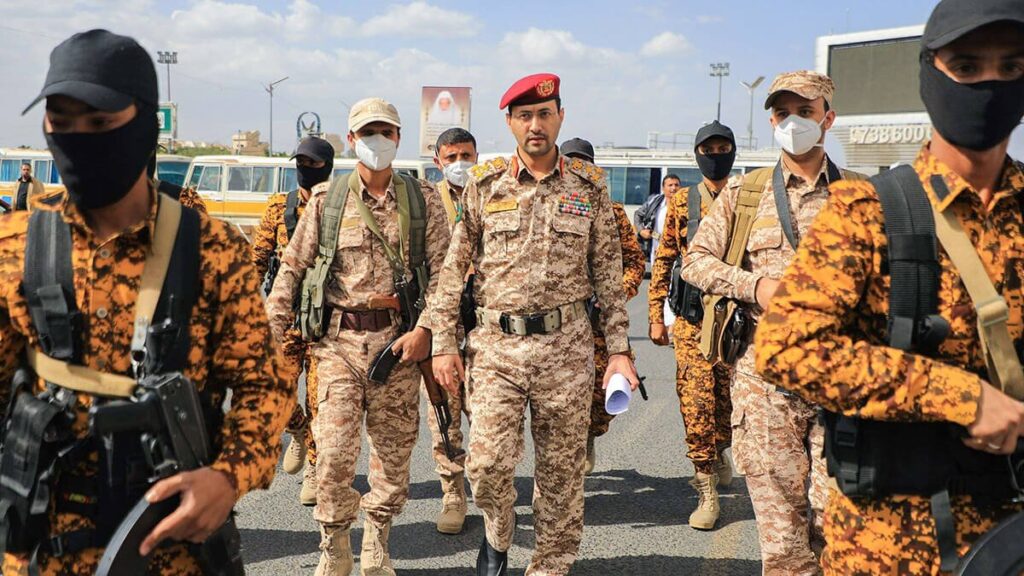
Photo: Iran Observer/via get image
Following a rapid Houthi military offensive along the Red Sea coast and the strategic capture of positions around the Bab el-Mandeb Strait, Saudi Arabia turned to Beijing for diplomatic intervention.
The appeal came as the kingdom faced an escalating dual threat, with critical shipping lanes and oil export corridors severely exposed following simultaneous disruptions around the Strait of Hormuz and the Red Sea chokepoint.
The Diplomatic Pivot to China
With traditional Western mediation channels strained and reports indicating that Washington declined to intervene directly on behalf of Saudi military objectives, Riyadh approached Chinese authorities for assistance.
While China publicly issued calls for regional restraint, dialogue, and the protection of safe navigation, sources revealed that Beijing’s private message to Tehran was significantly more forceful.
Leveraging Ties in Tehran
As a major buyer of Iranian seaborne oil and the broker of the 2023 diplomatic rapprochement between Saudi Arabia and Iran, Beijing holds considerable economic and political leverage in Tehran. Chinese officials privately pressed Iranian leadership to use its influence to rein in the Houthi forces and prevent further escalation that could jeopardize global energy supplies and vital trade routes.
It remains unclear how Tehran will respond to Beijing’s behind-the-scenes pressure, as regional tensions continue to impact international shipping logistics and energy markets worldwide.